
Removing the Barriers to Effective Coaching: Looking Beyond the Coaching Conversation
- Thought Leadership
- Eagles Flight Asia
- October 15, 2026
Reflections from our recent Eagles Flight Showcase on the leadership behaviours and organisational conditions that help coaching strengthen everyday performance.
For large organisations, building coaching capability across different levels of leadership is an ongoing priority. Significant effort often goes into equipping managers with the skills to develop their people, provide feedback and support performance.
The greater challenge is making coaching a consistent part of how leaders work, particularly when they are balancing competing priorities, operational demands and expectations for results.
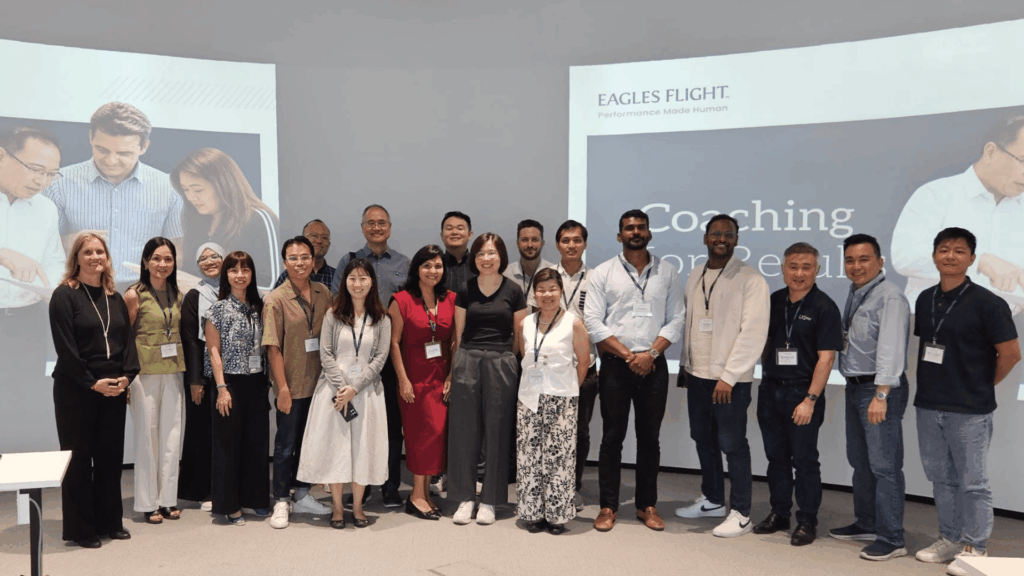
In our experience working with large multinational organisations across Asia, leadership development becomes more meaningful when leaders have opportunities to examine how their behaviours influence others and apply what they learn to real workplace situations.
This was central to our Removing the Barriers to Effective Coaching Showcase, held on 14 October at Catapult, Singapore.
The session brought together a small group of HR and L&D leaders to explore the practical challenges of coaching through experiential learning. Several themes emerged, particularly around the judgement leaders need to exercise, the importance of timely feedback and the working conditions that influence whether coaching happens.
When Does Support Become Micromanagement?
One of the discussions during the showcase centred on a familiar leadership challenge: knowing when to intervene and when to give people space.
Managers are expected to maintain standards and deliver results while developing employees who can think and act independently.
These responsibilities can create tension. Frequent intervention may be intended as support but experienced as micromanagement. Too little involvement, meanwhile, can leave employees without the guidance they need.
For leaders, the question extends beyond how often they should coach. The quality and purpose of their involvement matter just as much.
This becomes particularly relevant in large organisations, where managers may lead teams with different levels of experience, operate across functions and face varying expectations around decision-making.
Effective coaching requires leaders to exercise judgement about what support is needed, when it will be useful and how it can strengthen an employee’s ownership of their work.
Why Everyday Moments Matter
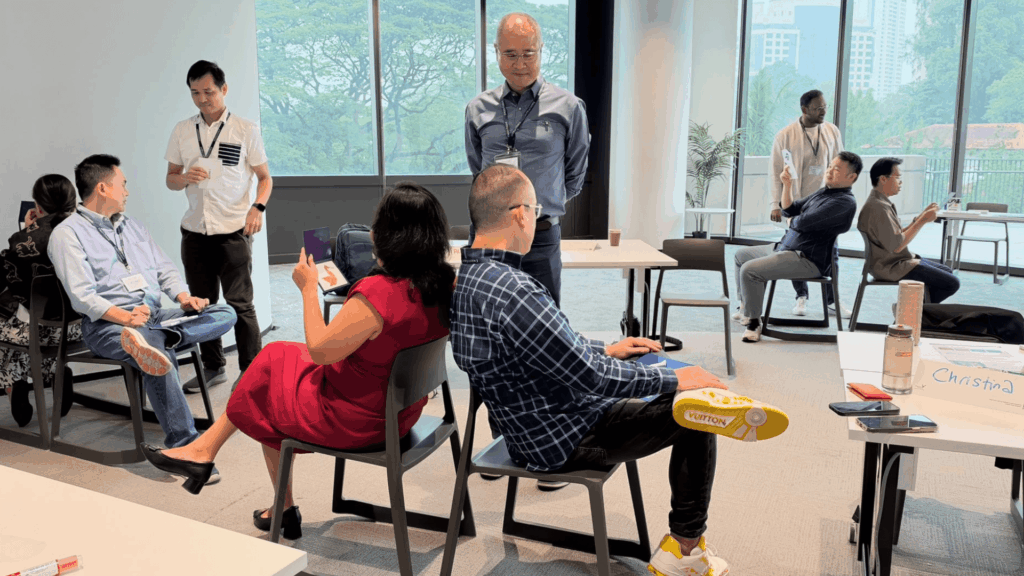
In fast-moving business environments, feedback can easily be postponed until a scheduled review or formal coaching conversation. By then, small misunderstandings may have influenced decisions, delayed progress or created unnecessary rework.
Timely conversations can help employees clarify expectations, recognise what needs adjusting and move forward with greater confidence.
This does not mean leaders should intervene at every opportunity. The challenge is recognising which moments warrant attention and responding in a way that supports learning.
Our work in experiential learning reinforces the importance of this distinction. Leaders benefit from opportunities to practise their judgement, consider the consequences of their decisions and reflect on how their actions affect others.
Coaching becomes more relevant to performance when it is connected to the situations employees encounter in their everyday work.
Feedback Also Means Recognising What Works
Managers naturally pay attention to problems that need resolving. Effective performance, on the other hand, may receive less attention because the desired outcome has already been achieved.
Yet employees also benefit from understanding what they have done well and why it contributed to a positive result.
Specific feedback can reinforce useful behaviours, clarify expectations and demonstrate that a manager is paying attention to an individual’s contribution.
For example, recognising how an employee handled a difficult client discussion offers more developmental value than a general expression of praise.
These interactions may be brief, but they can contribute to stronger working relationships and a clearer understanding of what good performance looks like.
Creating the Conditions for Coaching to Happen
The discussions highlighted a broader consideration for HR and L&D leaders: coaching capability needs to be supported by the environment in which managers operate.
Clear expectations, trust, shared understanding and opportunities for feedback all influence how coaching is experienced.
At an organisational level, leaders may also face competing expectations. They are encouraged to develop independent, capable teams while remaining accountable for immediate business results.
For enterprises seeking greater consistency across leadership levels, this raises an important question: Are the organisation’s expectations and ways of working helping managers apply coaching skills, or making them more difficult to practise?
Addressing this requires attention to leadership behaviours alongside the organisational conditions that shape them.
Making Coaching Part of Everyday Performance
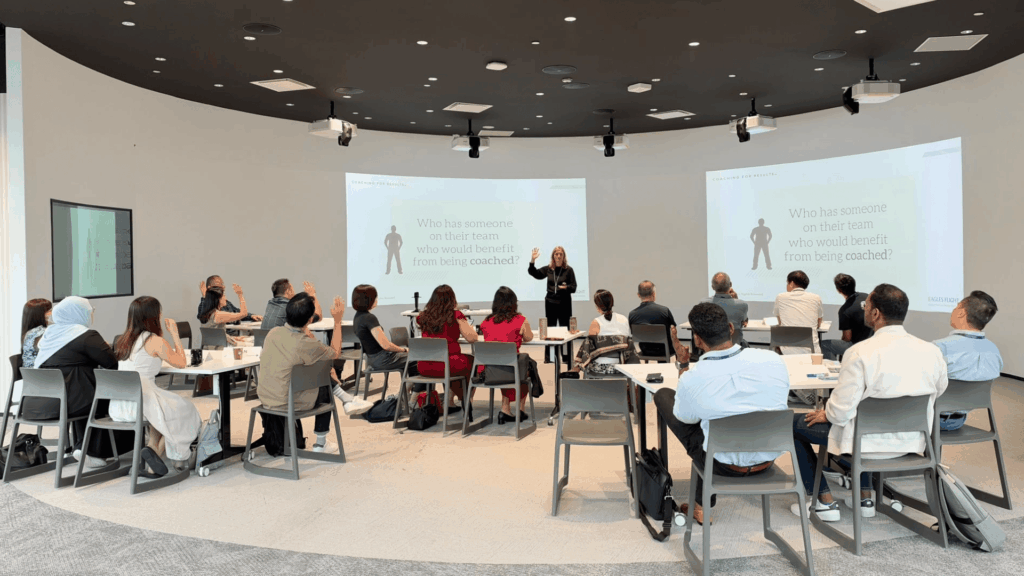
Our recent showcase offered participants an opportunity to examine these challenges from different perspectives and consider their implications for their own organisations.
For HR and L&D leaders, the opportunity is to connect coaching development more closely with the realities of leadership: balancing autonomy with accountability, responding to challenges and creating an environment where people can continue learning.
At Eagles Flight, our approach to experiential learning helps leaders recognise the impact of their behaviours, reflect on their choices and build capabilities they can apply in the workplace.
Strengthening a coaching culture takes sustained effort. Its value becomes evident in the everyday interactions that help people grow, take ownership and contribute to better business performance.