
Why Strategy Fails
When the Wind Changes
And What Great Leaders Do Instead
- March 25, 2026
- Author: Andrew Thomas, CEO, Eagles Flight Asia
- 5 Minute Read
We have all experienced some version of this.
A team spends time crafting what feels like a solid strategy. The logic makes sense. The resources are allocated. The path forward looks clear.
Then something shifts:
- A new regulation appears.
- The market moves unexpectedly.
- A competitor launches something no one anticipated.
Suddenly, the plan that felt so clear begins to feel fragile.
Moments like this are a reminder that in uncertain environments, strategy rarely unfolds exactly as we imagine. The question becomes less about predicting every change, and more about how teams respond when change inevitably arrives.
Recently, I had the opportunity to spend time with a group of HR, L&D, and OD leaders in Singapore during a leadership session built around an immersive learning experience.
Rather than discussing change through theory or frameworks, leaders in the room stepped into a fast-moving marketplace where they had to respond to shifting conditions in real time.
Within a short period of time, the room began to reflect many of the dynamics we see in real organisations.
The most interesting part came afterward, when we paused to reflect on what had happened.
1. Strategy Rarely Survives First Contact
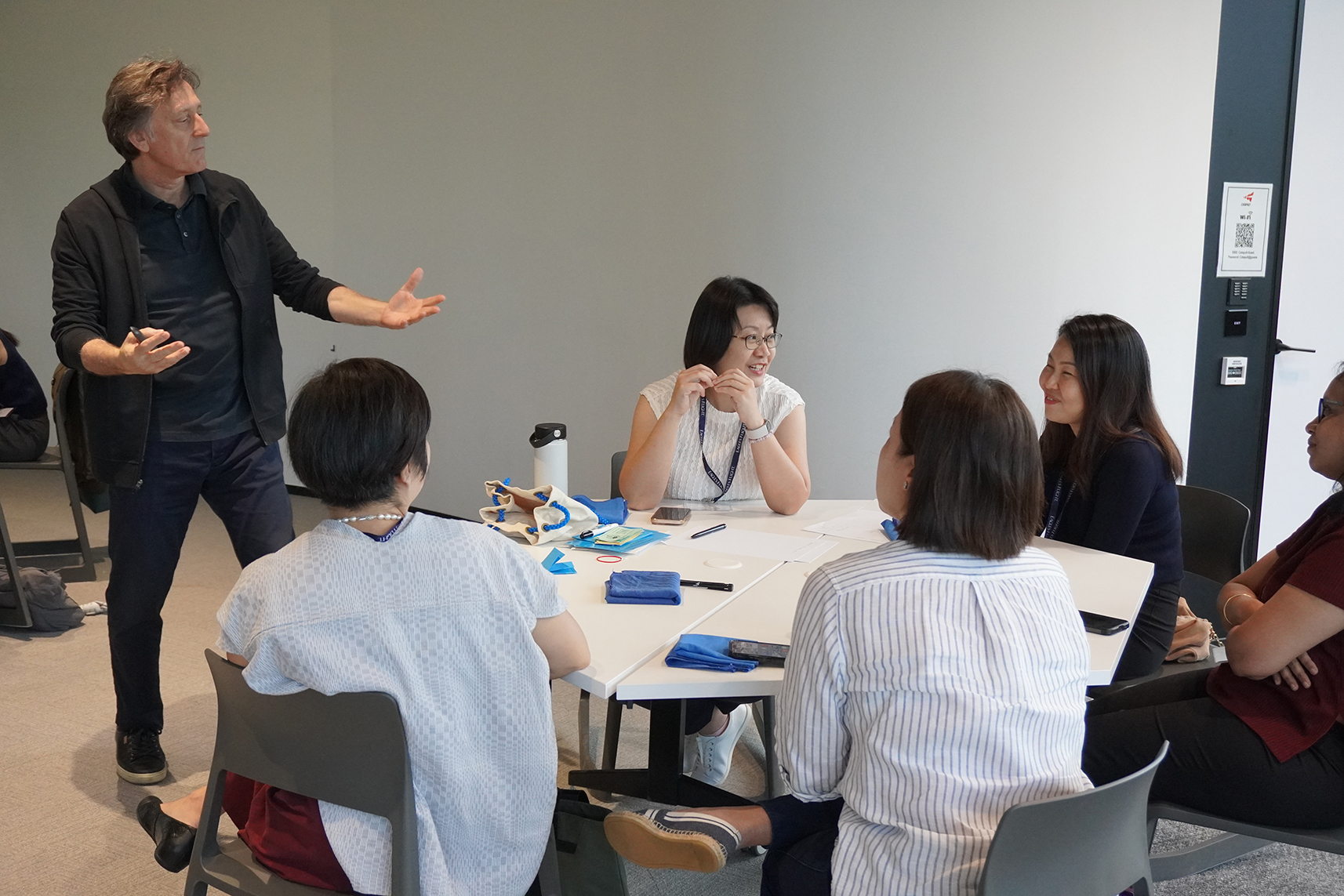
During the group reflection, I asked a simple question:
“What was your strategy at the beginning?”
One leader looked around the table and responded with a smile:
“Did we actually have one?”
Many teams began with a plan based on the information available at the time. Once the environment started shifting, those plans quickly became less relevant.
We see this often. Strategy stops being a fixed document the moment the environment shifts. Leaders who treat strategy as static tend to fall behind. Leaders who treat it as a living capability are far better positioned to respond.
One of the most common mistakes organisations make is overvaluing the original plan and undervaluing the team’s capacity to adapt.
In practice, strategy is rarely about getting everything right upfront. It is about building the ability to adjust with clarity, speed, and alignment as reality changes.
At that point, strategy is no longer just a plan. It becomes a capability.
2. Pressure Reveals the Behaviours Teams Default To
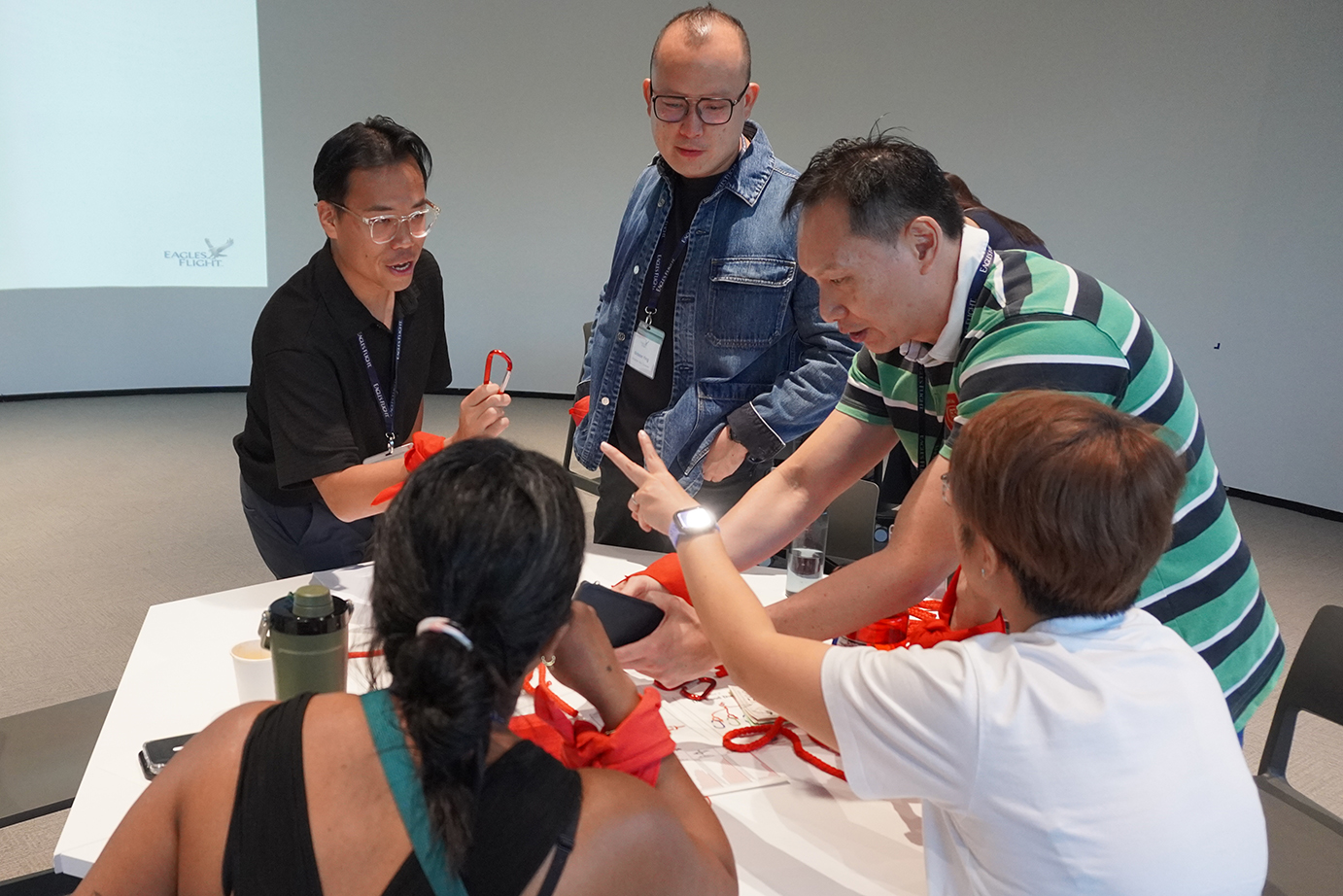
As the experience progressed and conditions became less predictable, some interesting patterns started to emerge.
Teams that had initially been open and collaborative became more protective of their resources. Communication narrowed. Decisions became more cautious. In some cases, teams became more focused on defending what they had built than responding to what the situation required.
Participants later identified several pressures influencing their behaviour:
- Wanting to protect what they had already built
- Feeling overwhelmed by multiple changes happening at once
- Focusing on their own team’s outcome rather than the broader system
None of these reactions were unusual. We observe them regularly when teams are placed under pressure.
Pressure does not create culture from scratch. Pressure reveals the habits, assumptions, and defaults that already exist beneath the surface.
This is where many change efforts lose momentum. The issue is often not a lack of intelligence or commitment. The issue is that uncertainty exposes how quickly capable teams can retreat into silos, reduce information-sharing, and become more reactive than adaptive.
Leaders who understand this are better able to anticipate friction before it becomes dysfunction.
3. Strategy Moves at the Speed of Relationships
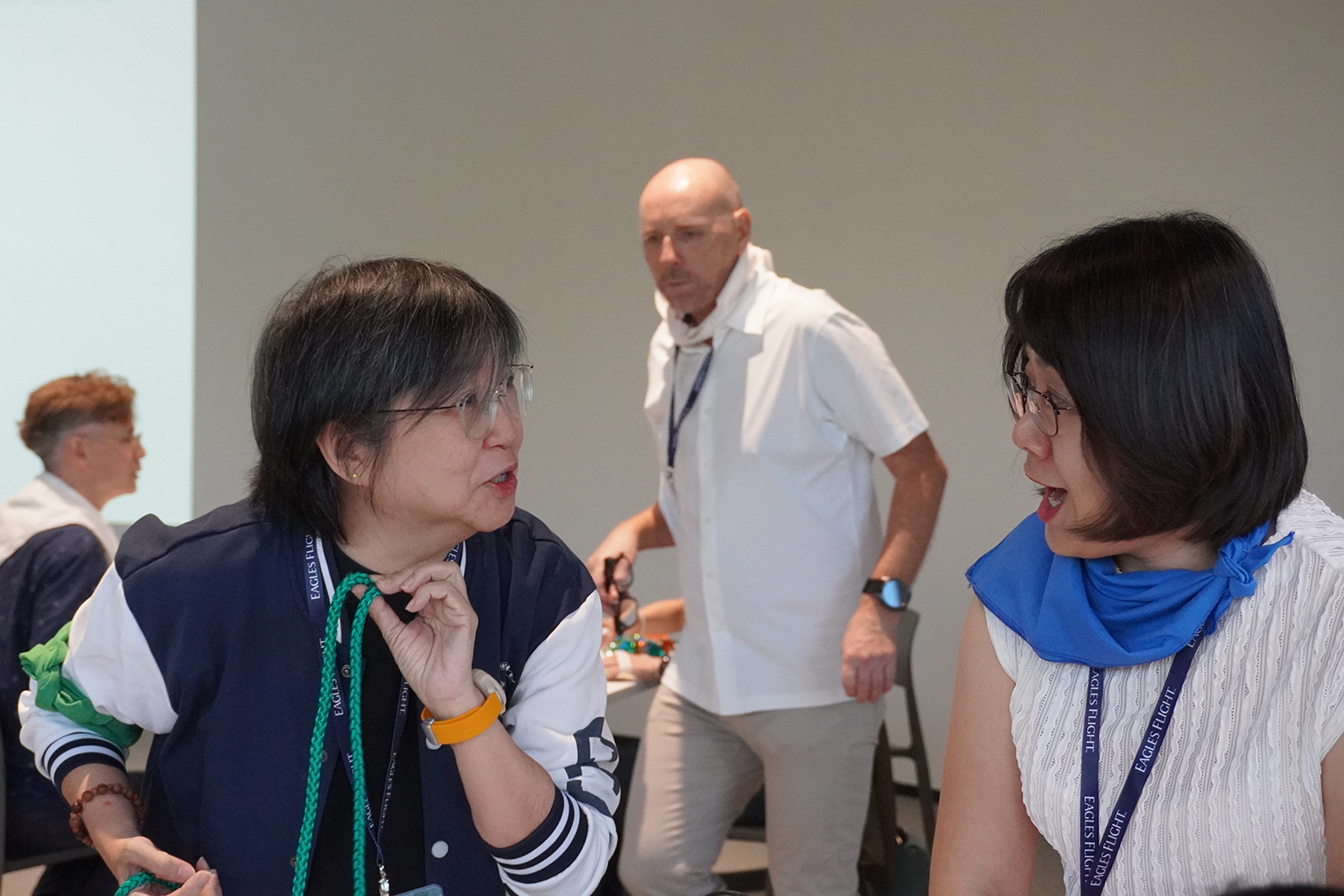
One reflection from the room captured a lesson many leaders recognised immediately:
“In hindsight, we probably should have spent more time building relationships earlier.”
Before the experience began, teams were given time to plan. Most stayed within their own groups, discussing internal priorities and preparing their own approach.
Very few reached out to other teams to understand what they were seeing, what they needed, or how their goals might intersect.
Later, when collaboration became critical, teams found themselves trying to negotiate with people they had barely spoken to.
We see versions of this in organisations all the time.
Many leaders still treat relationships as something that supports execution. In reality, relationships are part of execution, especially in uncertain environments.
In hybrid and remote settings, this matters even more. Informal moments of connection happen less naturally, which means trust now requires greater intentionality.
What leaders often underestimate is this: when pressure rises, teams do not suddenly build trust in the moment. They draw on whatever trust already exists.
Relationships are not a soft extra. They are strategic infrastructure.
4. Systems Shape Behaviour More Than We Expect
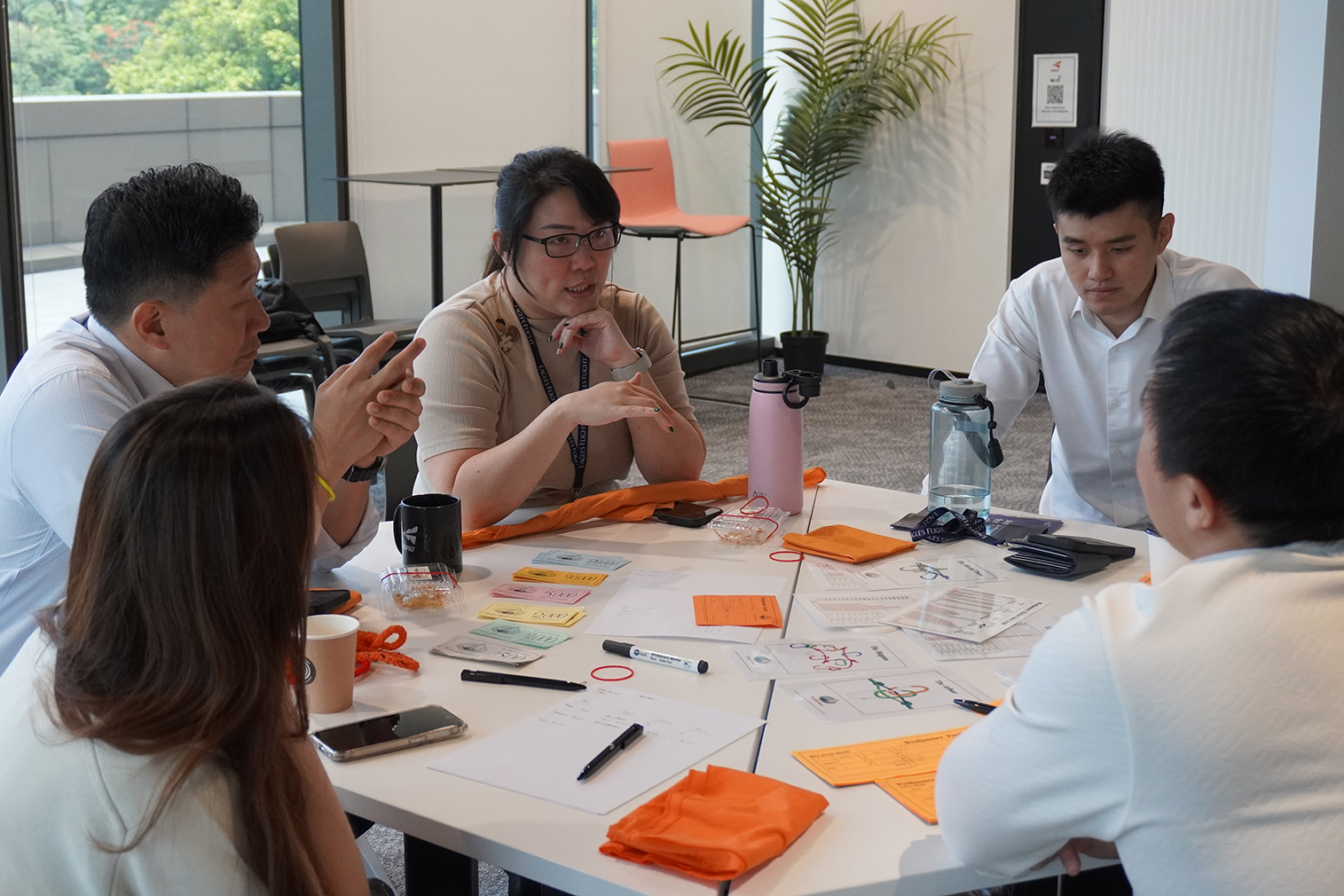
At one point during the conversation, the group discussed a moment of confusion about the learning experience itself.
Some teams believed they were competing directly against each other. Others thought they were competing against a broader market benchmark.
One leader offered an observation that opened up a more important leadership question.
Many organisations say they value collaboration, yet their systems reward competition through rankings, bonuses, individual targets, and performance structures built around personal success.
We know from experience that systems shape behaviour faster than values statements do.
When people are measured primarily by how they outperform others, collaboration becomes harder to sustain, even when everyone agrees it matters.
This is one of the most overlooked barriers to change. Organisations often ask for agility, openness, and teamwork while continuing to reward caution, self-protection, and individual wins.
Leaders cannot build adaptive cultures while reinforcing misaligned behaviours through the system around them.
Culture is shaped not only by what leaders say, but by what the organisation consistently rewards, reinforces, and tolerates.
A Small Pause that Made a Difference
What stood out about some teams was not necessarily better information or resource management. Instead, they seemed to do a few small things differently:
- They paused briefly before reacting to new changes.
- They communicated more openly.
- They stayed curious about what others were doing.
Their initial strategies gave them direction, but they did not feel locked into them.
One of the leaders described it nicely afterward:
“We used the plan as a guide, but we did not treat it like a rulebook.”
The idea seemed to resonate with many people in the room.
When the Wind Shifts
Change is demanding.
When conditions shift quickly, teams often experience uncertainty, cognitive overload, and pressure to respond immediately. In those moments, even experienced teams can narrow their focus too quickly or fall back on familiar habits.
This is exactly where leadership matters most.
Strong leaders do not assume strategy will survive unchanged. Strong leaders create the conditions for teams to stay responsive when change arrives. They build trust early. They encourage open communication. They help people look beyond immediate pressures and respond to the wider system around them.
The leadership challenge is not to eliminate uncertainty. The leadership challenge is to help teams work effectively within it.
If this session reinforced anything, it was this:
The wind will always change.
The more important question is: are your teams ready to adjust the sails together when conditions shift?
I’d be curious to hear your experience.
Have you ever seen a well-crafted strategy disrupted by unexpected change?
What helped your team adapt, or what made it harder?
We would love to hear your perspective.
Connect with Andrew Thomas or the Eagles Flight Asia team to continue the conversation about how immersive learning experiences can help leaders navigate complexity and change.
If your organisation is exploring new ways to strengthen how leaders and teams navigate complexity and change, we would welcome the opportunity to speak with you.