
The Behaviours That Separate Good Teams from Great Ones
What a high-pressure learning experience revealed about the real barriers to team performance
June 23, 2026 | 4 Minute Read
Joe Tofield , Head of Commercial
- June 23, 2026
- Joe Tofield, Head of Commercial
- 4 Minute Read
Most of the teams we work with are not short on capable people.
The individuals are experienced. The processes exist. The goals are clear enough. Yet somewhere between intention and execution, performance plateaus. Projects stall. Silos quietly form. Communication narrows at exactly the moment it needs to open up.
When leaders raise this with us, the conversation often starts in the same place: skills, tools, or structure. Those matter. In our experience, though, the friction usually lives somewhere else.
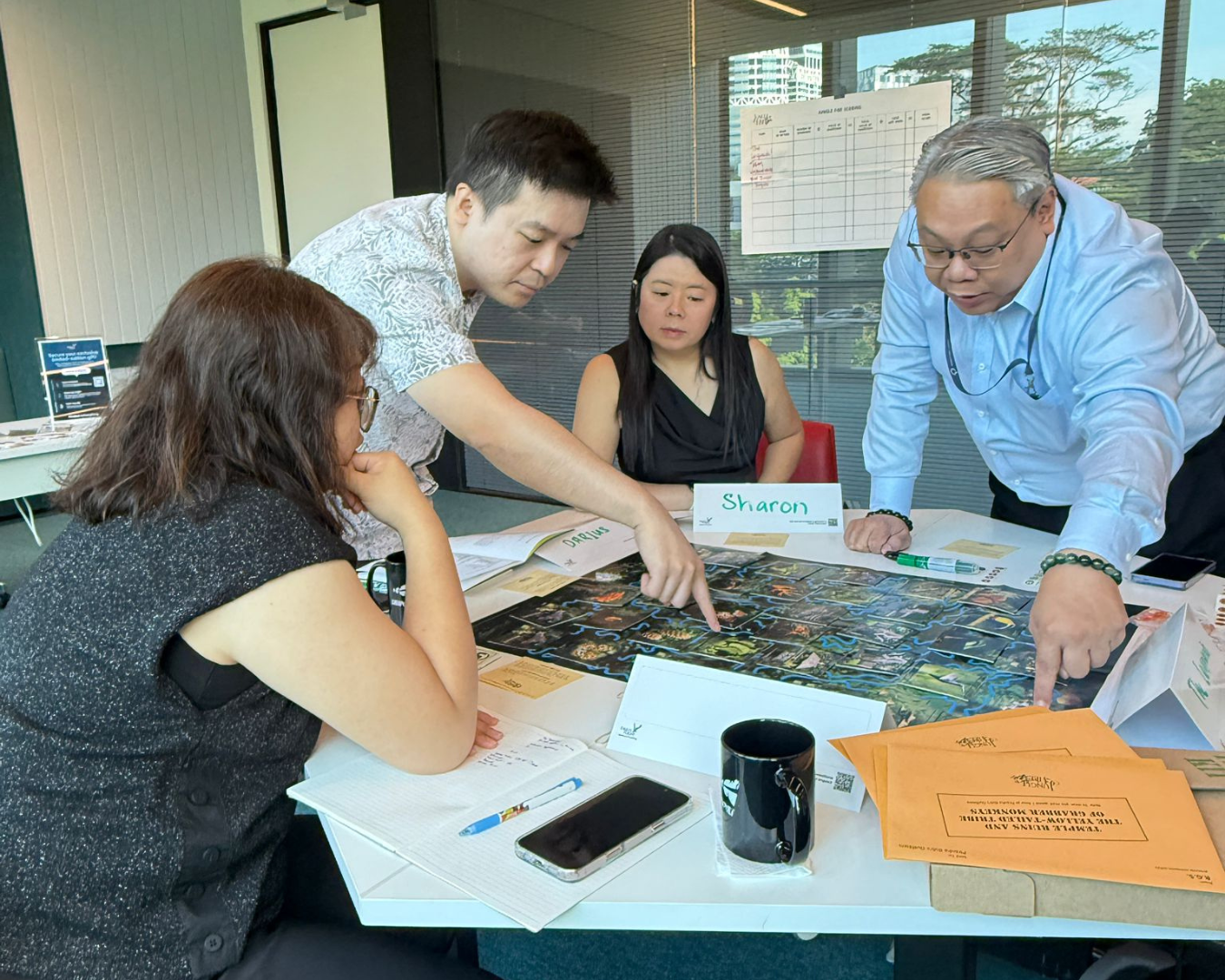
Recently, a group of Talent Leaders in Singapore came together for a session built around an immersive learning experience that placed them inside a fast-moving team challenge. The scenario was deliberately ambiguous, resource-constrained, and time-pressured. It was designed to surface the behaviours teams default to when conditions get difficult.
The debrief afterward was where the real learning happened.
1. Clarity Rarely Arrives Before Action Does
The first thing participants noticed was how unclear the task felt at the start.
There was information available, but not enough to feel certain. There were options, but no obvious right answer. Some teams spent considerable time trying to gather more data before making a move.
What emerged over time was something most participants recognised immediately when they reflected on it: clarity did not come from more analysis. It came from taking the first step.
The facilitator described it simply: planning is important, but at some point a team has to commit. Teams that kept waiting for certainty often found themselves behind the teams that moved with what they had and adjusted as they learned.
We observe this pattern across many organisations. The instinct to over-prepare before acting is understandable, especially in high-stakes environments. The challenge is that waiting for perfect clarity can become its own form of avoidance. In reality, most of the information that shapes a good decision only becomes visible once the team is already in motion.
2. "Just in Case" Has a Hidden Cost
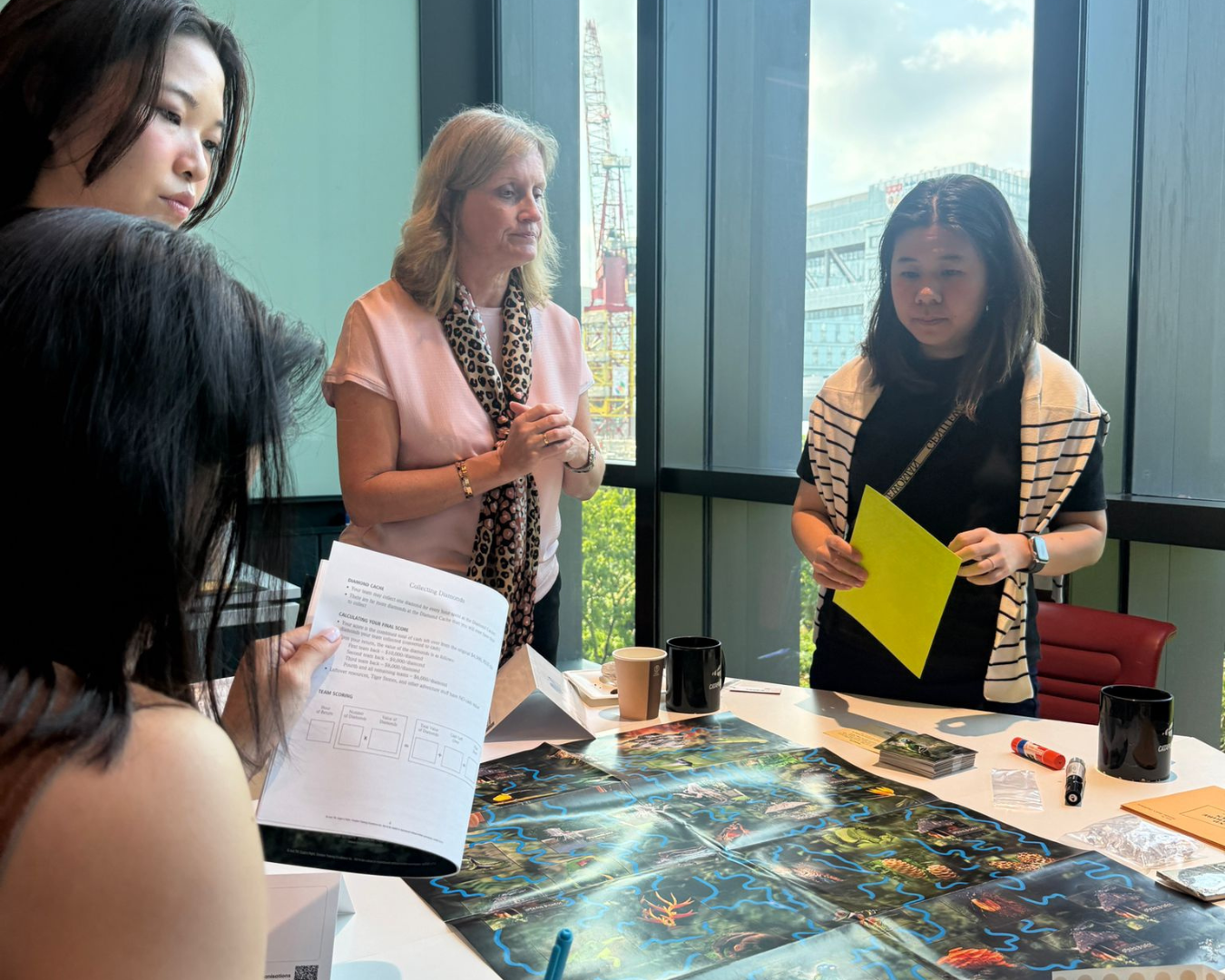
One of the choices participants faced was whether to acquire optional resources as a buffer against uncertainty.
Some teams did. The logic made sense in the moment: if things go wrong, we will be glad we have this. What those teams noticed later was that the buffer did not make them more confident. It pulled their attention away from the primary objective, consumed capacity they had allocated elsewhere, and contributed to slower, more cautious decision-making throughout the experience.
The group named this pattern the “tiger stone” tendency: the habit of planning for inefficiency by accumulating safety resources that ultimately cost more than the problems they were meant to prevent.
In a corporate context, this shows up regularly. It looks like headcount held “just in case,” timelines padded beyond what the work actually requires, or sign-off processes that add steps without adding certainty. These are not failures of intent. They are rational responses to environments where being wrong carries a high cost. What tends to get overlooked is the compounding effect: the more resources a team stockpiles defensively, the less freely they can move.
3. Pressure Does Not Create Dysfunction, It Reveals It
As the session progressed and the environment became more demanding, something predictable happened.
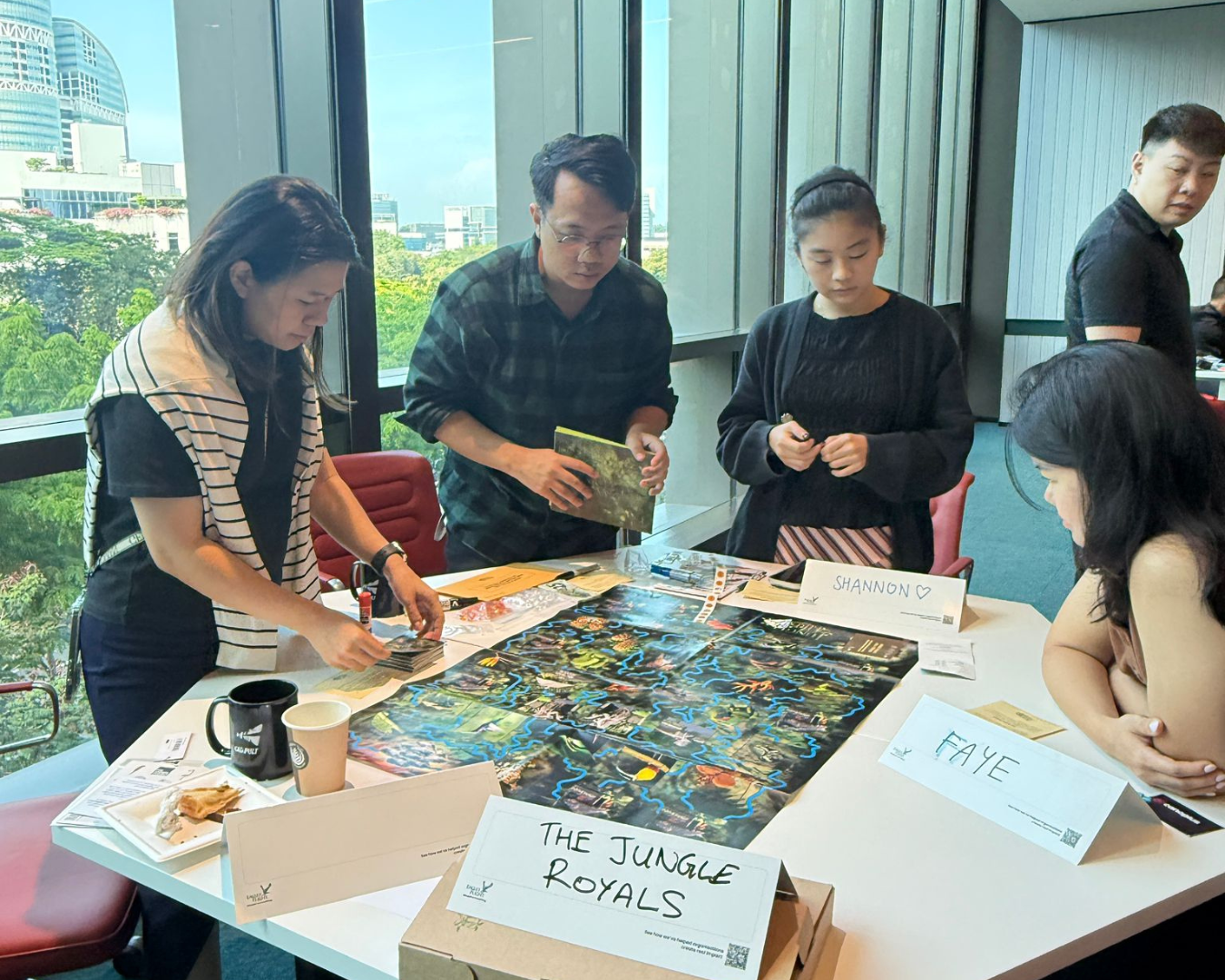
Teams that had started openly began to narrow. Decisions became more internal. Resources that could have been shared across teams were held back. Even in a setting where participants knew each other and understood this was a learning environment, the stress of the situation was enough to shift behaviour.
One of the more striking reflections came from a participant who noted that their team had not once looked across the room to see whether another team had something they needed, or needed something they had.
What the group identified was not a communication breakdown. It was a structural habit: the tendency, under pressure, to shrink the boundary of what counts as “us.” High-stress environments and rigid individual targets quietly teach teams to optimise for their own outcomes. That instinct is not a character flaw. It is a learned response to the systems that surround them.
Leadership and psychological safety also emerged as closely connected themes. Teams found that shifting from a conservative approach to a more innovative one required something more than permission. It required a genuine sense that speaking up, challenging the plan, or disagreeing with the group would be received well. Where that environment existed, teams adapted more fluidly. Where it was uncertain, people defaulted to silence.
4. Momentum Is Not the Same as Direction
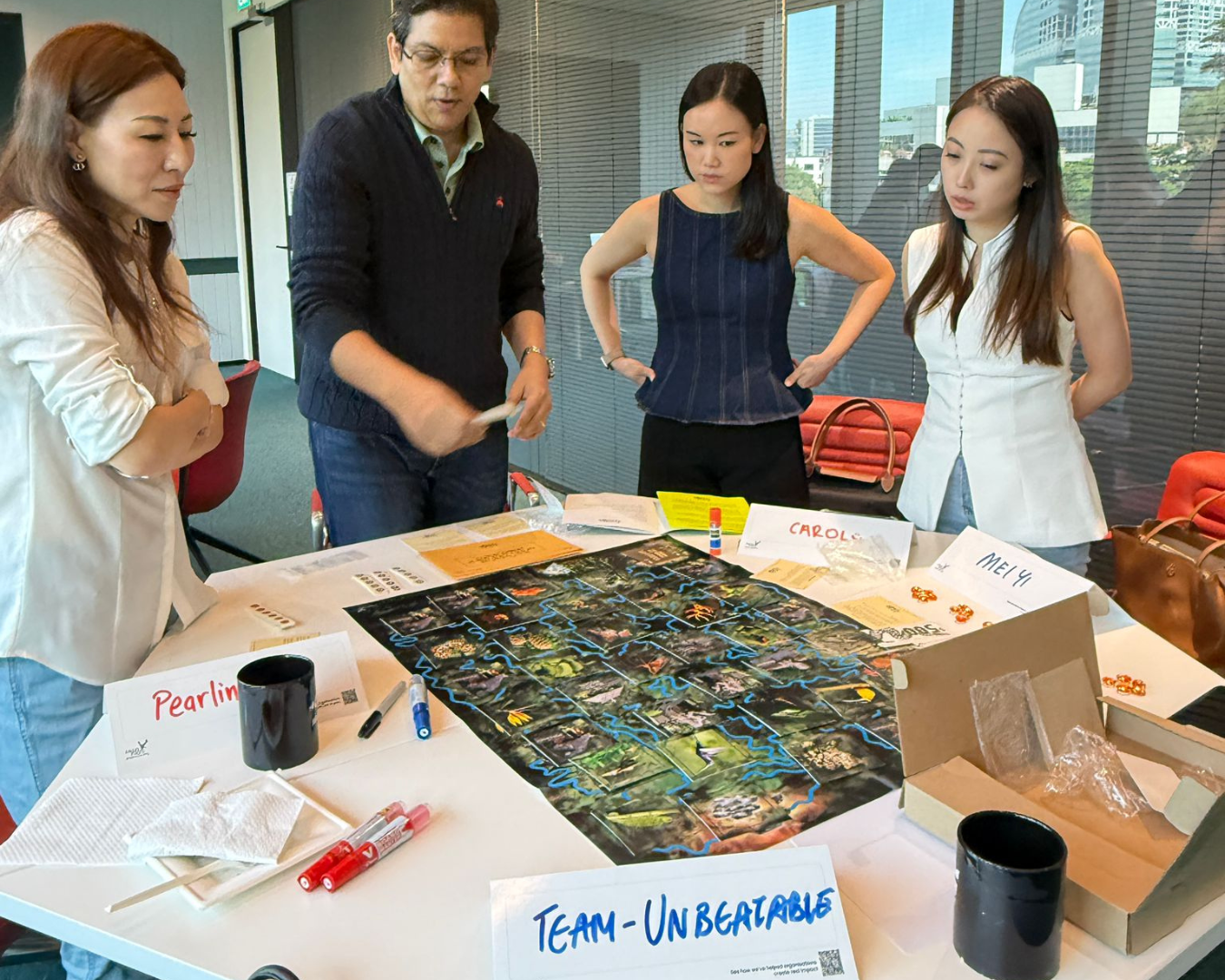
One team entered the experience with a clear plan. They had thought through their approach carefully, assigned roles, and started well.
Somewhere in the middle of the experience, something shifted. The energy of execution took over. Decisions that had been deliberate became instinctive. By the time the session ended, the team looked back and recognised that their behaviour had drifted significantly from their original intent, not because the plan was wrong, but because they had never stopped to check whether they were still following it.
The debrief surfaced a question that resonated with the wider group: when was the last time your team paused mid-execution to ask whether you were still pointed in the right direction?
In most organisations, the honest answer is: not often enough. The pace of work makes it easy to confuse activity with progress. Teams stay busy, KPIs get hit, and the rhythm of execution can quietly carry a team away from the outcomes that actually matter.
This is also where learning and development faces one of its most practical barriers. Participants reflected that even when they come back from a session with new thinking, the pressure of the day-to-day leaves little room to apply it. If the environment does not create space for reflection, the insights tend not to travel far beyond the workshop room.
What Stays With You After the Room Clears
What this session reinforced was something we have observed across many years of working with teams: the gap between a capable workforce and a high-performing one is rarely about what people know.
It tends to live in the habits, defaults, and dynamics that teams develop over time, often without noticing. The conditions that shape those behaviours matter as much as the behaviours themselves.
The teams in the room that afternoon were not unusual. They were thoughtful, experienced professionals doing what capable people do under pressure. What the experience gave them was a chance to see their own patterns more clearly, and to ask different questions about what was getting in the way.
We would be curious to hear your perspective.
Where do you see the biggest gap between what your teams are capable of and how they actually perform under pressure? What tends to get in the way?