Your Teams Are More Ready Than They Know
- June 16, 2026
- 4 Minute Read
The capability is there. The intent is genuine.
What tends to get in the way is not a lack of skill or commitment, but the natural patterns that emerge when pressure builds and conditions become uncertain. Patterns that are remarkably consistent across industries, seniorities, and geographies, and that rarely become visible until the right conditions surface them.
That question, what creates friction in otherwise capable teams, and what reduces it, was at the centre of a recent Eagles Flight Asia Pacific showcase in Singapore.
What the Learning Experience Surfaced
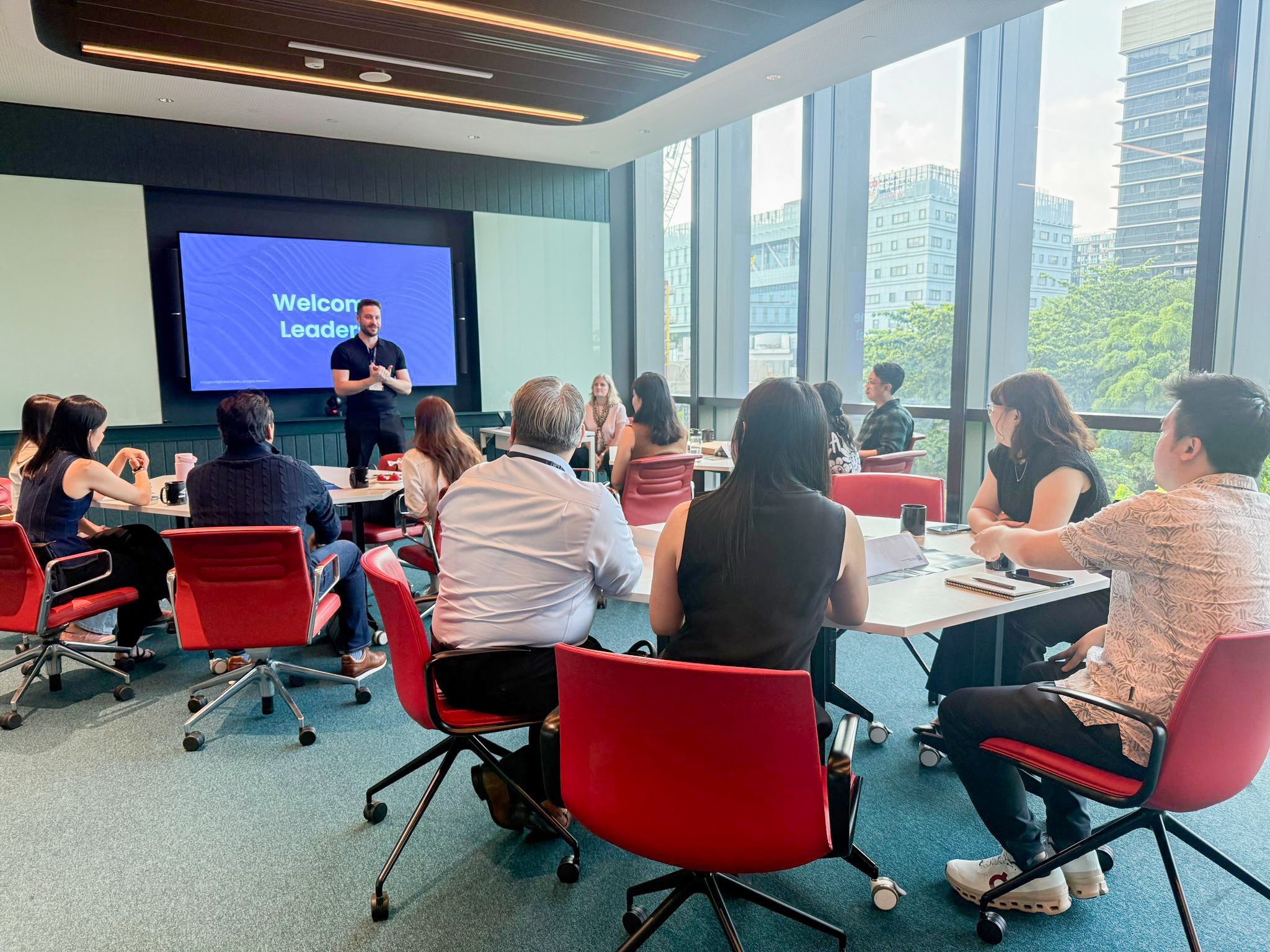
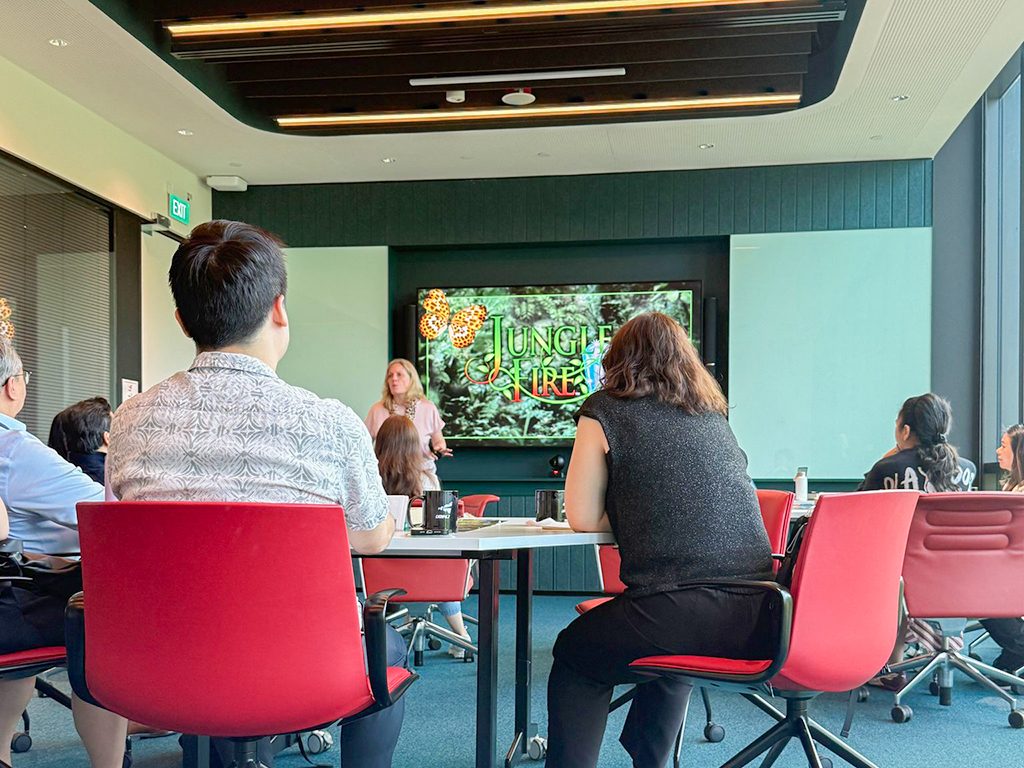
On 3 June 2026, Eagles Flight Asia Pacific brought together talent leaders from across Singapore for a half-day immersive learning experience themed around addressing workforce friction, grounded in the principles of behavioural science.
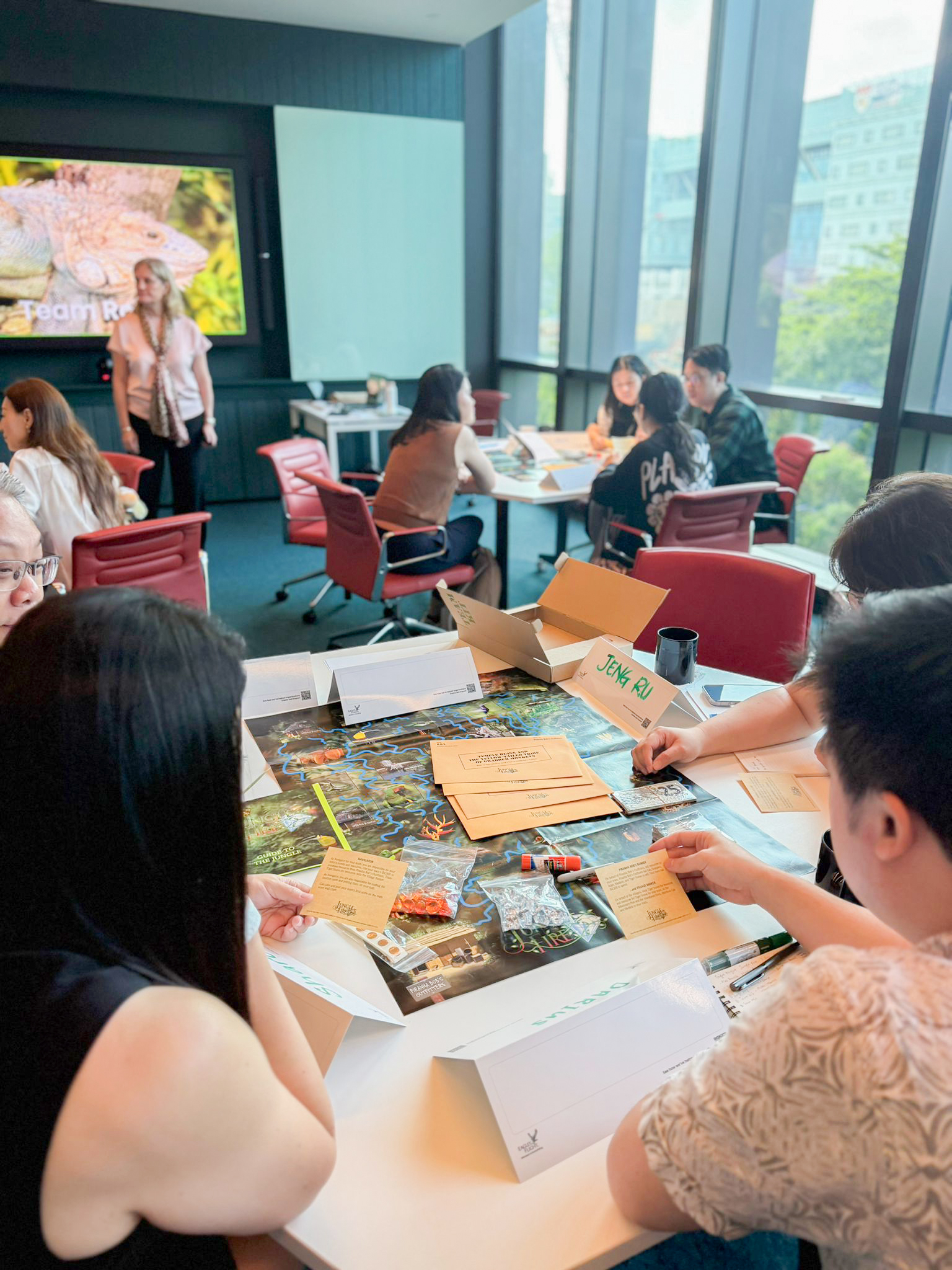
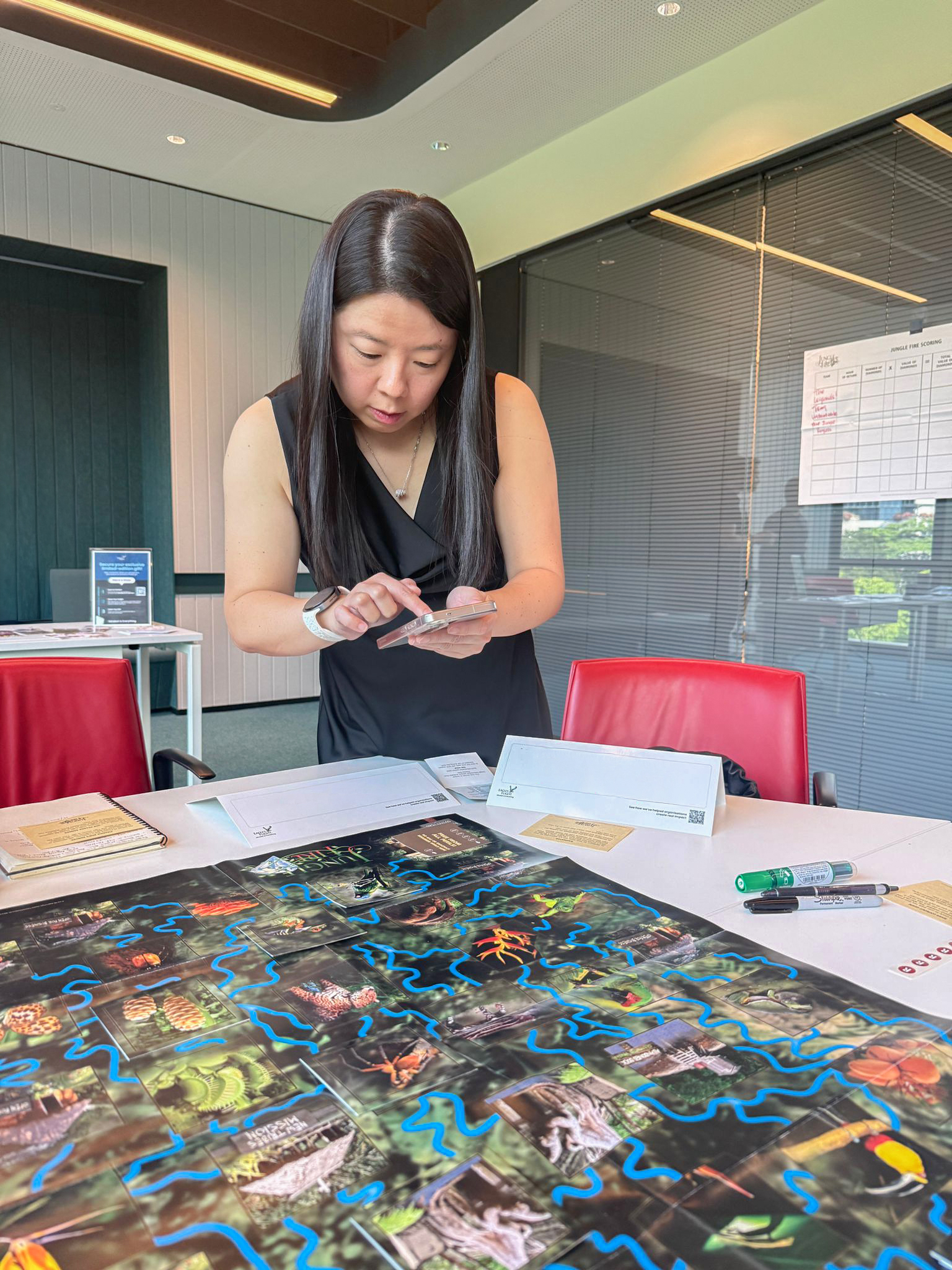
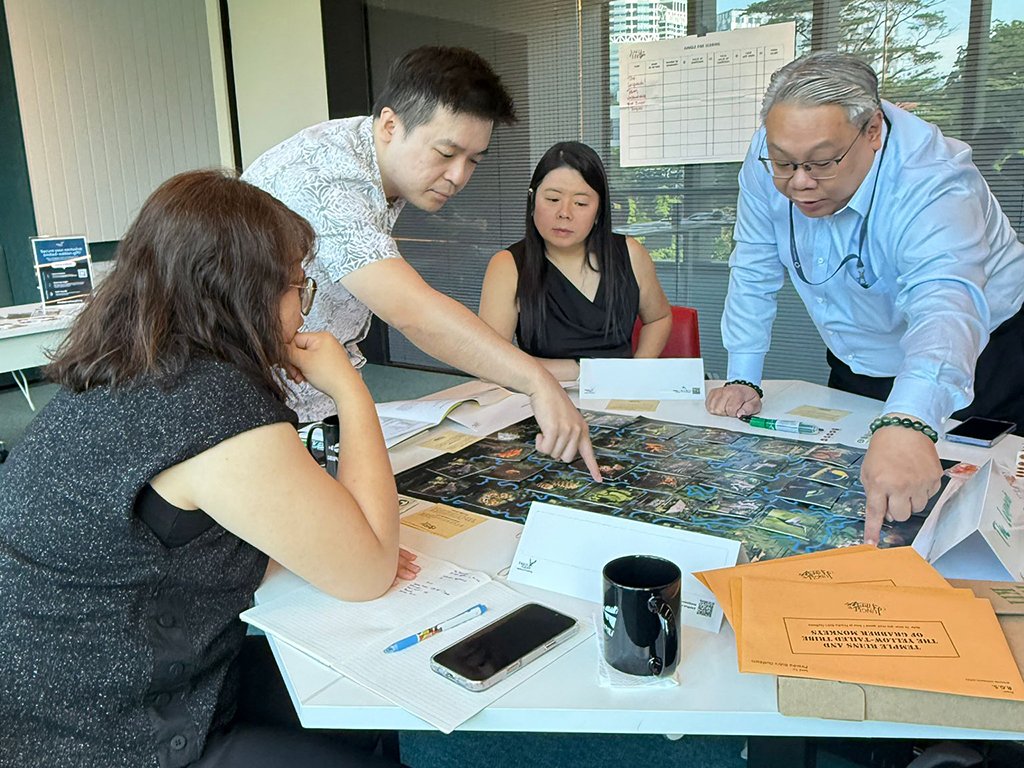
Participants navigated a scenario involving resource allocation, risk management, and team coordination under conditions of incomplete information and time pressure.
One of the first things participants noticed was how quickly clarity developed once they committed to moving forward. Tasks that felt highly ambiguous at the outset became clearer with each step taken. The insight was a simple but useful one: in complex situations, action itself tends to be a source of information, and waiting for complete clarity before moving often costs more than it saves.
The question of risk tolerance surfaced early and stayed relevant throughout. Some groups gathered every available piece of information before committing to a direction. Others moved quickly with what they had. Neither approach was wrong. What became interesting was how rarely teams had made that preference explicit before the pressure began, and how much smoother coordination became once they had.
When Leadership Moves With the Work
Leadership in the highest-performing groups was fluid and unannounced. Different individuals stepped forward and back as the situation demanded, with a shared sense of direction that did not depend on a single person holding the lead. Participants described it as something closer to cycling than hierarchy: different people pulling to the front when the moment called for it, then falling back to let others through.
The moments of friction were just as instructive.
Under conditions of simulated scarcity, the instinct to hold resources close rather than share them emerged naturally and quickly. Nobody decided to make that choice consciously. It simply happened, which is what made it worth reflecting on.
The same pattern that creates genuine drag in organisations, departments protecting capacity, individuals hedging against uncertainty, appeared in miniature and became something the room could look at together rather than feel defensive about.
Workplace Applications from the Experience
The reflections that emerged from the guided reflection were less about what went wrong and more about what became newly visible.
Several participants noted how the experience surfaced patterns that are easy to overlook in the flow of normal work: the pull toward contingency planning that quietly displaces more productive action, and the way busyness can crowd out the space a team needs to recalibrate. Having those tendencies appear in a psychologically-safe setting gave participants something concrete to bring back, not just an insight, but a shared reference point.
Darius, Assistant Director of Organisation Development at CPF Board, spoke about what the experience unlocked for him as a practitioner:
"There are definitely key human elements around planning, resourcing, and negotiating between individuals that show up in the workplace. As an OD practitioner, I find myself thinking about how to bring this kind of learning into the workshops we run with employees. People tend to learn better when they are working through something rather than being told about it."
Faye, HR Business Partner at Canopius, described what the session opened up in how she works with her team:
"My main takeaway was learning how to ask for help, and also how to offer help to my team members. The experience was high energy, and the discussions felt real."
The most consistent observation across the room was how quickly a group of professionals, many meeting for the first time in this context, moved into genuine collaboration once the conditions supported it. The capability was already there. The experience gave it somewhere to go.
A Shared Lens for Team Performance
Workforce friction rarely announces itself. It tends to live in the patterns teams have stopped noticing: the unspoken assumptions about risk, the hesitation to ask for help, the instinct to protect rather than share. These persist not because people lack capability, but because the conditions that would surface and shift them rarely appear in the course of ordinary work.
The recent showcase gave participants a clear view of how creating those conditions, can produce the kind of shared visibility that is difficult to achieve through training or frameworks alone. Participants left with not just individual insights, but a common experience to reflect on together.
Eagles Flight Asia Pacific regularly brings leaders and teams together through events and showcase sessions. If your organisation is interested in attending a future session, or exploring what a similar experience could look like for your teams, we would be happy to connect.